
The Allure of Gambling
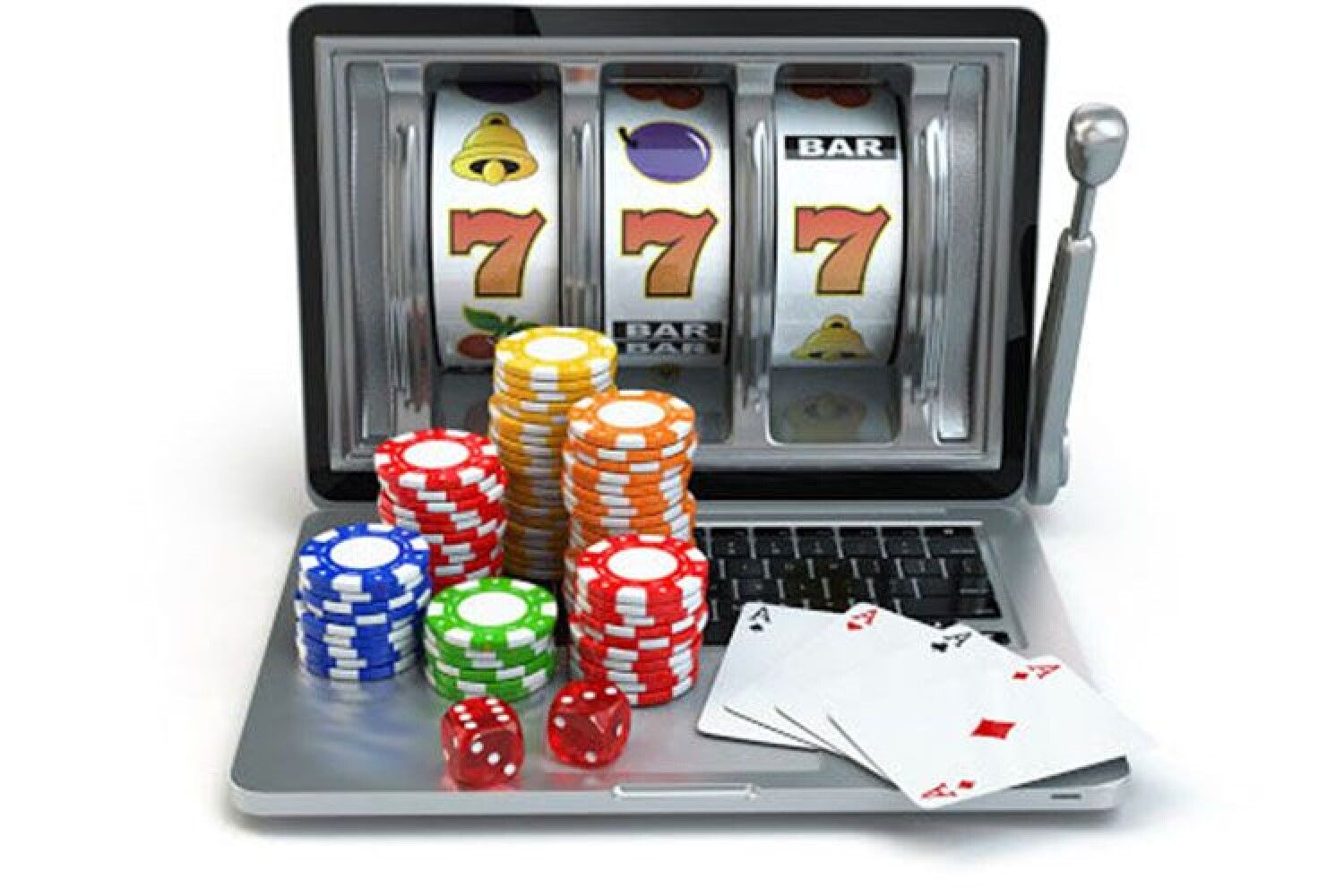
The world of casinos is intriguing, attracting millions with the promise of thrill and fortune. This environment, filled with flashing lights and exciting sounds, creates a stimulating atmosphere that appeals to our primal instincts. The allure of risk-taking in gambling is primarily driven by the potential for reward, which can trigger the brain’s reward system, releasing dopamine and creating feelings of excitement and pleasure. Many players might even explore a florida online casino to experience these thrilling aspects in a convenient setting.
Moreover, the social aspect of gambling cannot be overlooked. Many individuals are drawn to casinos to experience the camaraderie and shared thrills with other players. Engaging in risk-taking behavior becomes a collective experience, amplifying the excitement and reducing the perception of risk. This social element intertwines with our psychology, encouraging further risk-taking as we seek companionship and validation in our choices.
Cognitive Biases and Their Influence
Humans often fall victim to various cognitive biases that can significantly impact their decision-making in casinos. One prevalent phenomenon is the ‘gambler’s fallacy,’ where individuals mistakenly believe that past outcomes will influence future events. For example, a player may think a slot machine is ‘due’ for a win after a series of losses, leading to increased bets. This faulty logic exemplifies how our psychology can skew our perception of chance and risk.
Additionally, the ‘illusion of control’ plays a crucial role in gambling behavior. Many gamblers believe they can influence the outcome of their bets through skill or strategy, even in games of pure chance. This belief can lead to overconfidence and a greater willingness to engage in risky behavior, as players feel empowered by their perceived control over uncertain outcomes.
The Role of Emotion in Risk-Taking
Emotions significantly influence risk-taking behavior in casinos. When players experience positive emotions, such as excitement or happiness, they may be more inclined to take risks, betting larger amounts in hopes of maximizing their enjoyment. Conversely, negative emotions, like frustration or sadness, can lead to reckless gambling as individuals seek to escape their feelings through the thrill of chance.
The concept of ‘loss aversion’ also plays a vital role in the emotional aspects of gambling. Research indicates that the pain of losing money is often felt more profoundly than the joy of winning the same amount. This can create a cycle where players continue to gamble in hopes of recouping their losses, further entrenching them in risky behavior as they attempt to chase their losses.
The Impact of Environment and Design
The design and layout of casinos are meticulously crafted to enhance risk-taking behavior. Casinos employ various psychological tactics, such as the absence of clocks and windows, creating a sense of timelessness that encourages prolonged gambling. Furthermore, the arrangement of games—in close proximity to one another—creates an environment rich in stimulation, making it easy for players to become engrossed and lose track of time and money.
Additionally, the presence of rewards and reinforcements, such as loyalty programs and complimentary drinks, further incentivizes continued play. These elements are designed to make risk-taking feel rewarding, reinforcing the behavior and encouraging players to take more significant risks in hopes of achieving greater returns.
Ensuring Responsible Gambling
For those drawn into the captivating world of casinos, it is crucial to recognize the psychological factors at play and approach gambling responsibly. Acknowledging the inherent risks and employing self-control strategies can help players mitigate potential negative outcomes. Setting limits, being aware of emotional triggers, and maintaining a balanced outlook on wins and losses are essential practices for navigating the gambling landscape.
This website aims to provide informative content and resources to support individuals in understanding the complexities behind gambling behaviors. By promoting responsible gambling and awareness, it seeks to create a safer and more enjoyable experience for all players. Whether you are a casual gamer or a serious player, understanding the psychology of risk-taking can empower you to make more informed choices in casinos.